Somewhere in your kitchen, there's probably a small pile that means more than it looks. A splattered card with your mother's handwriting. A printed dessert recipe you swore you'd make again. A note on scrap paper from a friend who cooks by instinct and never writes anything down twice the same way.
That pile isn't clutter. It's memory without a home.
A good recipe box tin solves the obvious problem, organization, but that's not the best reason to get one. The best reason is calmer than that. It gives your recipes one protected, intentional place to live. When you gather them into a tin, you're not just tidying the kitchen. You're preserving stories, habits, celebrations, and the kind of care that often gets lost when everything stays scattered.
From Scattered Notes to Cherished Stories
A kitchen drawer can turn into a time capsule fast. One recipe card is stained with vanilla. Another is folded into quarters. A magazine clipping sits beside a grocery list because both looked important in the moment. You keep meaning to sort it all, but life moves, dinner needs making, and the pile grows.
That's why I recommend a recipe box tin over loose stacks or random folders. It creates a boundary. Your family recipes stop floating around the house and start belonging somewhere.
Why a tin changes the feeling
A recipe tin makes the process physical in the best way. You touch the cards. You read old handwriting. You slow down enough to decide what matters. That small act feels grounding, especially if your days are usually screen-heavy and rushed.
Some objects do more than store things. They help you return to yourself.
There's also something deeply comforting about opening a lid and seeing your food history gathered in one place. Not hidden in a phone album. Not trapped in bookmarks you never revisit. Right there, ready for Tuesday soup or a birthday cake that tastes like home.
Start with what you already have
Don't wait until your collection looks perfect. Start with the mess.
- Pull everything together from drawers, cookbooks, tote bags, and fridge magnets.
- Save the meaningful scraps even if they aren't neat yet.
- Separate “make often” from “must preserve” so your daily cooking and your keepsakes don't compete.
- Choose one box for now instead of trying to build a flawless system in one weekend.
If you treat recipe organization as an act of love rather than a chore, you'll see it through. That shift matters.
The Heart of Your Kitchen's Legacy
A recipe box tin isn't a trend. It belongs to a long line of home cooks who wanted food knowledge to be shareable, usable, and close at hand. Recipe boxes became a mass-market kitchen organizing tool in the 1920s, when Betty Crocker debuted its wooden recipe box, and the rise of recipe cards grew alongside a period when precise measurements and step-by-step directions became common in home cooking, as noted in this history of the recipe box.

That history matters because it reminds you what a recipe box has always done. It turns private knowledge into something that can be passed on. A pinch of this and a handful of that become instructions a daughter, son, partner, or friend can follow.
Why it still matters now
Digital recipe apps are convenient. They are not sacred. If you want a living family archive, a physical box still wins because it holds more than ingredients. It holds handwriting, edits in the margins, old substitutions, and the sauce stain that proves the dish was worth repeating.
A tin also creates a center point in the kitchen. Not everything needs to be optimized. Some things need to be honored.
What a recipe box tin really holds
- Meals and milestones like holiday pies, sick-day soups, and first attempts that became favorites
- Voices on paper through handwriting, shorthand, and notes that no typed file can replicate
- A usable legacy because recipes aren't just memorabilia if someone can cook from them
- A rhythm for the home since one box makes it easier to plan, cook, and share meals
Practical rule: If a recipe carries emotional weight, give it a physical home.
That's the inherent value of a recipe box tin. It keeps daily life from erasing family texture.
Choosing Your Perfect Recipe Tin
Don't overcomplicate this choice. Pick a tin that fits your real collection, feels sturdy in your hands, and is easy to open when you're busy. Beauty matters, but function comes first.

A solid benchmark for a metal recipe box tin is around 6.5 x 4.38 x 5 inches, a size that works well for standard 4x6 cards and dividers, according to this recipe tin sizing guide. The same sourcing guidance notes that 0.20 mm to 0.28 mm metal gauge is a strong range when you want sturdiness without making the box feel clunky.
What to prioritize first
If you mostly collect handwritten cards, prioritize fit and easy flipping. If you keep printed recipes, clipped pages, and mixed notes, prioritize depth and flexibility. If you want this box to last, pay attention to the hinge and clasp because that's where repeat use shows up first.
Here's the simplest way to compare the two classic options.
| Feature | Metal Tin | Wooden Box |
|---|---|---|
| Feel | Crisp, clean, often a little more structured | Warm, nostalgic, softer visual presence |
| Durability focus | Strong choice when gauge, hinge, and clasp are solid | Good for charm and display, but check lid fit and finish |
| Everyday care | Easy to wipe after kitchen splatters | Can feel more delicate around moisture |
| Style range | Works well for vintage, playful, or modern designs | Best if you want an heirloom look |
| Best for | Busy cooks who want practical protection | Gift-givers who want a handcrafted feel |
My opinionated buying advice
Choose metal if you want a hardworking box you'll use often. It's practical, easy to maintain, and well suited to kitchens where recipes get handled, moved, and opened mid-cooking.
Choose wood if the visual romance matters most and the box will live in a calmer corner of the home.
Buy for the collection you have, not the fantasy collection you think you should have.
If you're also deciding whether a box is even the right format, browsing a curated set of alternatives like the Blu Monaco recipe book collection can help you compare how you naturally like to save recipes. Some people are booklet people. Some are card people. A recipe tin is best for the second group, especially if you love sorting, swapping, and adding notes over time.
Creating Your System of Deliciousness
An empty recipe box tin is full of possibility, but possibility alone becomes clutter. Give it a simple system, and it becomes a joy to use.

Historically, many home cooks used 3x5-inch index cards, while 4x6 and 5x7 formats became popular for longer recipes, as described in this overview of vintage recipe boxes and cards. That mix still reflects modern life. Rather than one tidy format, storage typically involves cards, printouts, notes, and clipped pages.
Build categories you'll actually use
Skip overly formal categories if they don't match the way you cook. “Main Dishes” sounds neat, but “Weeknight Lifesavers” is often more useful.
Try a mix like this:
- Weeknight Wins for quick meals you trust when energy is low
- Celebration Table for birthdays, holidays, and dinner-party staples
- Family Originals for recipes with names, stories, or handwriting you want to protect
- To Try Soon for all those hopeful printouts that deserve a real decision
- Comfort Food because some nights need their own section
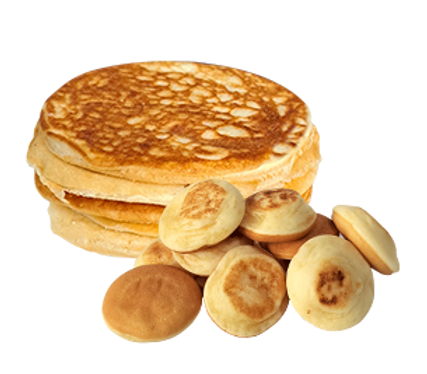
A visual cue helps too. If you need inspiration for the kind of mood you want your food archive to evoke, these delightful breakfast visuals are a lovely reminder that recipes aren't just instructions. They're atmosphere.
Use simple tools, not a complicated method
You don't need a color-coded masterpiece unless that sounds fun. You need a system you'll maintain.
- Add divider tabs with natural categories in your own language
- Mark favorites clearly with a small symbol, sticker, or colored corner
- Keep blank cards inside so new finds have a place immediately
- Create a “tested and loved” marker to separate experiments from keepers
If you like a more compact format for gifting or portable collections, this recipe card booklet idea offers another thoughtful way to organize recipes that matter.
A quick visual tutorial can spark ideas before you start sorting:
The best recipe system is the one that invites you to cook, not the one that impresses nobody from across the room.
A Gift Filled with Love and Flavor
A recipe box tin makes one of the best gifts you can give because it says, “I know what nourishes you.” Not in a generic way. In a personal, lasting way.

Store-bought gifts can be lovely. A filled recipe tin is unforgettable. It carries your time, your memory, and your attention. People feel that instantly when they lift the lid.
Best occasions for a recipe tin gift
A thoughtfully filled tin works beautifully for:
- A wedding gift with both families' favorite dishes tucked inside
- A new home present that helps someone build kitchen confidence from day one
- A graduation gift with affordable, comforting meals and a few celebratory desserts
- A holiday keepsake with cookie recipes, breakfast traditions, and family notes
How to make it feel personal
You don't need to be crafty to make it meaningful. A few details carry a lot of heart.
Write a note on the first card explaining why you chose each recipe. Include one that's practical, one that's celebratory, and one that tastes like comfort. That balance makes the gift feel lived-in rather than decorative.
You can also personalize the tin itself with a tag, a handwritten label, or a small theme. “Sunday Suppers,” “For Your First Apartment,” and “Our Family Bakes” all work because they give the gift identity.
If you're creating seasonal presents, this guide to meaningful holiday gift ideas can help you shape the recipe tin into something even more personal.
A recipe given by hand carries more warmth than one sent by text.
My strongest recommendation is simple. Don't gift an empty box unless the recipient specifically wants one. Fill it. Even a modest collection of handwritten cards turns a nice object into an heirloom in progress.
Caring for Your Culinary Treasure Chest
A recipe box tin should age with grace, not gather damage. Care is simple, but it matters.
Keep the tin in a dry spot away from direct steam and splatter-heavy zones. Wipe the outside with a soft, dry or lightly damp cloth, then dry it fully before closing. If the hinge or clasp ever feels stressed, handle it gently instead of forcing it. Repeated strain is what shortens the life of a box.
Protect the cards, not just the container
Most tins do a good job guarding recipes from everyday kitchen splatters. For handwritten cards you can't replace, take one extra step. This recipe tin preservation note recommends placing irreplaceable recipes in acid-free plastic sleeves inside the tin to protect them from humidity and wear.
That's the right move. A family recipe only has to get damaged once for the loss to feel permanent.
A small ritual for long life
- Review the box seasonally and remove duplicates or worn scraps that need rewriting
- Sleeve your heirloom cards before they show damage
- Keep one backup copy of the most precious recipes in another safe format
- Use the box often because preserved recipes should still feed people
One charming extra idea. If you retire an old decorative tin from kitchen duty, repurpose it as a tiny herb holder for seed packets, plant markers, or gardening notes. Practical objects deserve second lives too.
If you want everyday objects to feel more meaningful, explore Mesmos for thoughtful gifts, calming stationery, and creative pieces that bring more beauty, mindfulness, and care into daily life.